
Quick answer: Jeonju is Korea's best-preserved traditional city. Its 700+ hanok (traditional wooden houses) Hanok Village is a UNESCO Creative City of Gastronomy and the birthplace of bibimbap. A 45-minute KTX ride from Seoul makes it ideal as a day trip or 1-night add-on for groups of 10–200 — with rich food, living heritage and hanbok photo culture that resonates equally with leisure, incentive and educational groups.
Why Jeonju works for group travel
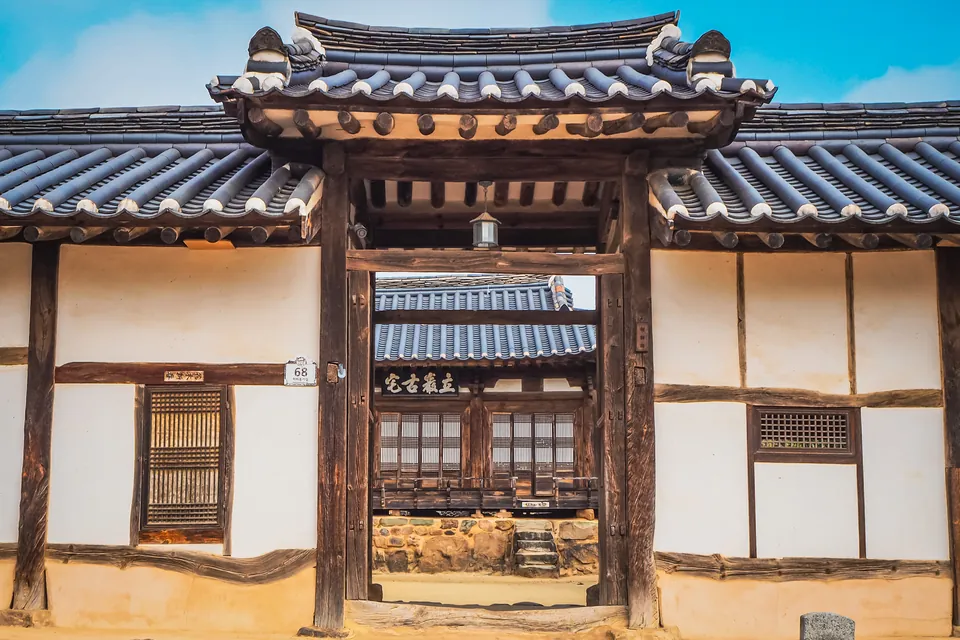
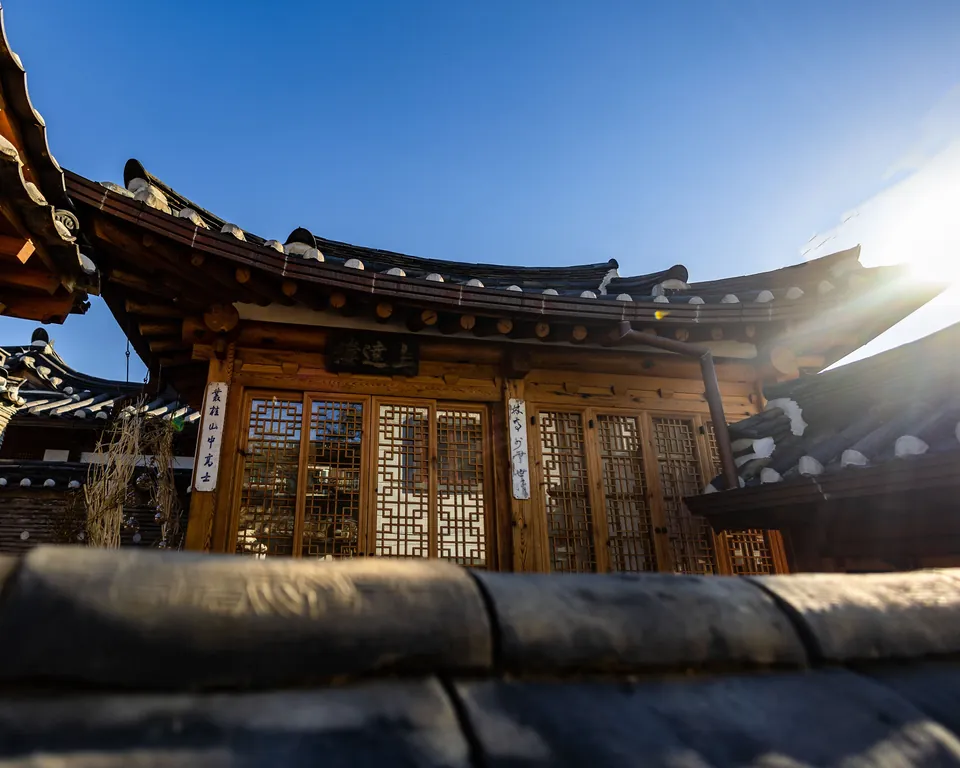
Among all Korean cities, Jeonju stands apart: it is the only major urban centre where traditional architecture dominates an entire district at scale. The Hanok Village preserves more than 700 tiled-roof wooden houses in an intact urban grid — not a theme park replica, but a living neighbourhood where artisans, restaurants and guesthouses operate within Joseon-era structures.
- UNESCO Creative City of Gastronomy — Jeonju holds one of the world's most credible food credentials. The city is the origin point of bibimbap, and a concentration of traditional makgeolli breweries and street-food alleys makes it a standout culinary destination for groups seeking authentic experiences.
- Hanbok street culture — Entire streets of hanbok rental shops line the village. Dressing in 1890s-style traditional costume and walking the cobbled lanes is a high-engagement, photogenic activity that works for every group demographic.
- Highly accessible — KTX high-speed rail connects Seoul to Jeonju in under 45 minutes. Coach from Seoul takes approximately 3 hours. No flights required.
- Authenticity meets craft — The modern artisan and food scene (Hanji paper workshops, craft breweries, ceramic studios) layered over the heritage core makes Jeonju an ideal incentive destination: substantive, visual and memorable.
- Right-sized for groups — The village is compact (walkable within a 500 m radius) yet capable of hosting groups of 10–200 across multiple venues simultaneously.
Top 5 group experiences in Jeonju
1. Bibimbap cooking class
Jeonju's signature dish — a bowl of rice, sautéed vegetables, beef and gochujang paste — is Korea's most internationally recognised food. A private bibimbap cooking class led by a professional chef with English or multilingual instruction accommodates 20–100 participants in a dedicated kitchen. Groups assemble and season their own bowls, eat together and take home a traditional ceramic bibimbap bowl as a keepsake. This single activity combines culinary education, cultural storytelling, team bonding and a tangible souvenir — hard to match anywhere in Korea.
2. Hanbok rental and guided village walk
Explera arranges block reservations at partner hanbok studios so that entire groups dress simultaneously — no queuing, no fragmented experience. A licensed heritage guide leads the group through the 744-hanok village lanes, covering Joseon dynasty history, architectural detail and neighbourhood stories. The combination of costume and setting produces striking group photography that consistently drives social media sharing from participants — a bonus for incentive trip brand visibility.
3. Makgeolli rice wine tasting
Jeonju is South Korea's makgeolli capital. Traditional rice wine breweries have operated here for generations, and the city's distinctive makgeolli — slightly sweet, lightly sparkling, milky white — is distinct from the Seoul variety. Explera's brewery experience includes a guided fermentation tour followed by a 5-pour tasting flight matched with traditional Korean bar snacks (anju). Groups of 15–80 can be accommodated in private tasting rooms with multilingual hosts.
4. Jeonju Hanji paper workshop
Hanji — Korean paper made from mulberry bark — has been produced in the Jeonju region for over a millennium. An artisan-led workshop teaches participants the traditional sheet-forming process, then guides them through pressing, drying and decorating their own finished piece. The result is a handmade artefact that travels home with the participant. This activity is particularly well-received by educational and cultural-focus groups, and works for all age brackets.
5. Night lantern float on Omokdae Hill
As dusk settles over Jeonju Hanok Village, the tiled rooftops glow amber under warm lighting, and Omokdae Hill — a hilltop pavilion directly above the village — offers a panoramic view of the entire hanok district. A guided evening lantern float involves each participant writing a wish on a traditional paper lantern before releasing it. The visual result — dozens of lanterns drifting over a sea of traditional rooftops — is the defining group moment of any Jeonju itinerary. Best for groups of 20–100.
Sample 1-night Jeonju group itinerary
Day 1
- Morning: KTX from Seoul Station to Jeonju (45 min) — private coach transfer to Hanok Village
- Late morning: Private bibimbap cooking class (2.5 hours) — eat together, collect ceramic bowl souvenir
- Afternoon: Hanbok rental and guided heritage walk through the 744-hanok district
- Late afternoon: Makgeolli brewery tour and 5-pour tasting with Korean snacks
- Evening: Check-in at traditional hanok guesthouse (groups 10–30) or boutique hotel (groups 30–200) — group dinner at a traditional Jeonju restaurant
Day 2
- Morning: Hanji paper-making workshop (2 hours) — take home finished piece
- Mid-morning: Omokdae Hill panoramic viewpoint — Jeonju Traditional Wine Museum visit
- Lunch: Traditional Jeonju hanjeongsik (full-course Korean set meal) at a heritage restaurant
- Afternoon: Return KTX to Seoul
Optional evening add-on (Day 1): Night lantern float on Omokdae Hill — recommended for incentive groups seeking a high-impact finale moment.
Jeonju group logistics
- Getting there: KTX from Seoul Station to Jeonju Station — 44 minutes. Coach from Seoul — approximately 3 hours via Honam Expressway. No domestic flights required.
- Hotels: Traditional hanok guesthouses (private courtyards, ondol heated floors) suit groups of 10–30 seeking full immersion. Boutique hotels and standard business hotels accommodate groups of 30–200. Explera holds block-booking arrangements at key properties.
- Local transport: Electric shuttle buses serve the Hanok Village perimeter. The village core is pedestrian-only and walkable within a 500 m radius — a logistical advantage for large groups.
- Group size: Minimum 10 pax for B2B net rate access. Recommended sweet spot: 20–80 pax for optimal experience quality.
- Best seasons: Spring (late March–early May) for cherry blossom trees framing the hanok rooftops; autumn (October–November) for golden ginkgo avenues. Both seasons are highly photogenic and drive strong group satisfaction scores.
- Combination itineraries: Jeonju pairs naturally with Seoul (2–3 nights) as a 1-night extension, or with Gyeongju for a heritage-focused Korea circuit.
B2B net rates and Explera support
Explera DMC Korea provides full ground-service coverage for Jeonju group programmes:
- Hanok accommodation block-bookings with flexible release dates
- Private bibimbap cooking classes with English and multilingual chef-instructors
- Licensed heritage guides in English, Japanese, Chinese, Arabic and other languages
- KTX seat block reservations and private coach coordination
- Single point of contact for all ground services — one quote, one invoice
IATA: 96215733 | Email: b2b@explera.kr | WhatsApp: +66 93 656 8090
Access B2B net rates directly at b2b.expleradmc.com or contact the trade desk for a custom group quote.