

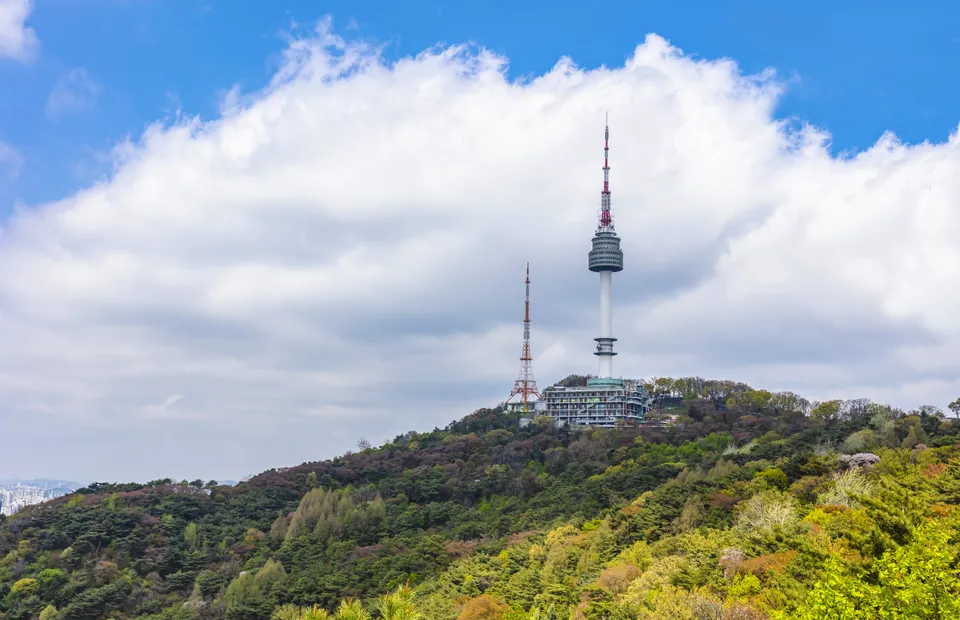
Seoul Capital Area for travel agents — Korea’s gateway region.
Seoul, Incheon and the Gyeonggi day-trip belt — the gateway region almost every Korea itinerary passes through.
The Seoul Capital Area is where almost every Korea itinerary begins: two international airports, a world-class subway and KTX network, and a day-trip belt that includes the DMZ, Nami Island, Suwon’s fortress and Everland within ninety minutes.
For the trade, this is the highest-volume, highest-inventory region. We hold hotel allotments across every Seoul district and class, and operate the day trips with private vehicles and licensed guides.
Agent tip: Base clients in one Seoul district for 3–4 nights and day-trip out — it beats constant hotel changes and uses the rail and subway network’s strength.
- 01Seoul’s districts: Myeongdong, Hongdae, Gangnam, Insadong
- 02Day trips: DMZ, Nami Island, Suwon, Everland
- 03Palaces, K-pop and beauty shopping
- 04World-class food at every price point
- 05Incheon’s gateway and Songdo MICE
Seoul Capital Area — what your clients will experience.
The Seoul Capital Area is where almost every Korea itinerary begins and ends. Incheon (ICN) and Gimpo (GMP) airports receive the bulk of arrivals, and the capital carries three to four nights of content with ease: the five grand palaces, Bukchon's hanok lanes, Myeongdong and Dongdaemun shopping, Hongdae and Gangnam nightlife, and a food scene that runs round the clock. For the trade, Seoul is the anchor product that funds the rest of the trip.
The belt around the capital holds the most-requested day trips in Korea. The DMZ and its tunnels and observatories sit ninety minutes north, Nami Island and the Garden of Morning Calm lie east in Gapyeong, Suwon's UNESCO Hwaseong fortress is forty minutes south, and Everland and the Korean Folk Village anchor family days. Each turns a city stay into a richer week without changing the hotel base.
Incheon adds a port-and-future counterpoint: Korea's largest Chinatown, the planned smart-city of Songdo for MICE, and the airport island for first or last nights. For repeat visitors, Seoul keeps giving — neighbourhood food scenes, K-beauty shopping, palace-by-night programs, hanbok experiences and the seasonal rhythm of cherry blossom and autumn foliage along the Han River.
Who suits the Seoul Capital Area? Everyone — which is precisely its trade value. First-timers need Seoul as orientation, MICE planners use COEX, Songdo Convensia and citywide hotels, stopover traffic monetises 48 hours well, and repeat clients still find new layers. Base clients in one Seoul district for three to four nights and day-trip out, and they unpack once while seeing the whole region.
Best time to visit
Spring (early–mid April) brings the cherry blossoms that drive peak demand, and late October to November delivers brilliant autumn foliage — both want booking well ahead. Summer (June–August) is hot and humid with monsoon rains in late June and July, so start sightseeing early. Winter is cold, clear and dry, with city illuminations and excellent low-season value.
Getting there & around
Incheon (ICN, 60 min) and Gimpo (GMP, 30 min) connect the region to the world, and Seoul Station anchors the KTX network to Busan, Gyeongju, Jeonju and beyond. The subway and AREX move clients citywide on a T-money card; for the DMZ, Nami Island, Suwon and Everland we run our own GPS-tracked sedans, vans and coaches with English-speaking drivers, dispatched by the 24/7 desk.
Seoul Capital Area province by province — the trade briefing.
Here is the province-by-province trade briefing for Seoul Capital Area — what each destination leads with, how clients reach it and the selling angle our desk uses. Every name links to the full agent guide.
Seoul
Seoul leads with Gyeongbokgung Palace & changing of the guard — Korea’s electric capital — royal palaces, K-pop energy and round-the-clock food and shopping. Access runs via ICN Incheon & GMP Gimpo — 60 min from ICN, 30 min from GMP to central hotels. For the trade: sell 3–4 nights at the start of any itinerary. Our regional ground team operates it end to end — transfers, licensed guides and contracted hotels on one invoice.
Incheon
Incheon leads with Incheon Chinatown — Korea’s gateway port — Chinatown, Songdo’s futuristic skyline and the airport island. Access runs via ICN Incheon International — at the international gateway; 60 min to central Seoul. For the trade: sell as an airport-side first or last night, or a half-day. Our regional ground team operates it end to end — transfers, licensed guides and contracted hotels on one invoice.
Suwon
Suwon leads with Hwaseong Fortress — the great fortress city — UNESCO Hwaseong walls within reach of Seoul. Access runs via Seoul — 40 min by metro/train. For the trade: pair Hwaseong with the Korean Folk Village for a culture-rich day from Seoul; archery and trolley rides delight families. Our regional ground team operates it end to end — transfers, licensed guides and contracted hotels on one invoice.
DMZ (Demilitarized Zone)
DMZ & Paju leads with Third Infiltration Tunnel — the world’s most fortified border — a moving half-day from Seoul. Access runs via Seoul — 60–90 min by road (guided only). For the trade: the single most-requested day trip from Seoul. Our regional ground team operates it end to end — transfers, licensed guides and contracted hotels on one invoice.
Gapyeong
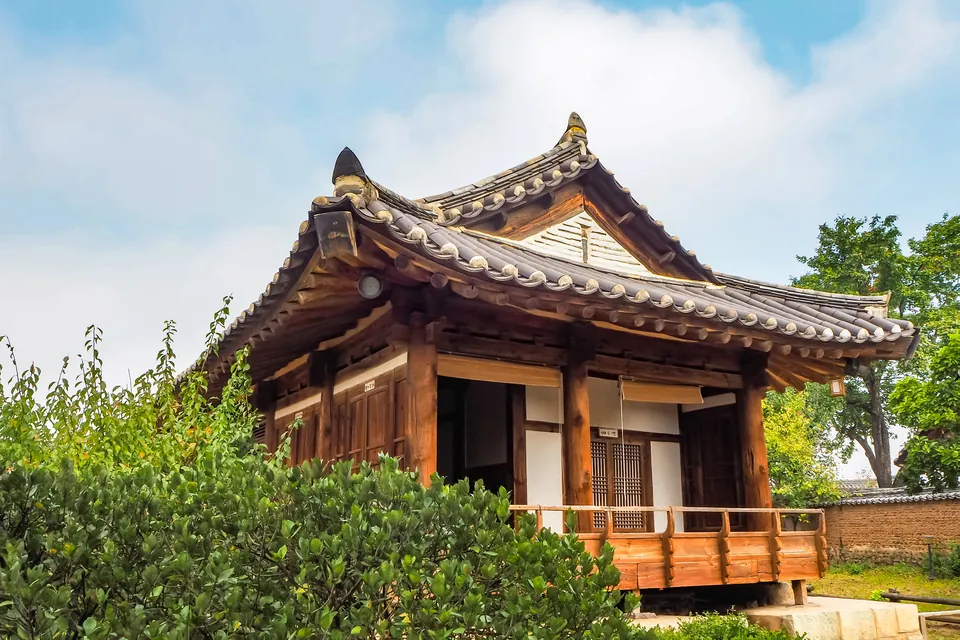
Sell Gapyeong on its signature: Nami Island, Petite France and the lakeside escapes of K-drama fame. The anchor product is Nami Island. Access runs via Seoul — 70 min by ITX train. For the trade: a classic K-drama-and-nature day from Seoul; the zip-line to Nami and autumn foliage are the upsells. Our regional ground team operates it end to end — transfers, licensed guides and contracted hotels on one invoice.
Yongin
Sell Yongin on its signature: Everland theme park and the open-air Korean Folk Village. The anchor product is Everland theme park. Access runs via Seoul — 60 min by road. For the trade: the family headline near Seoul; sell Everland with fast-pass and pair with the Folk Village for a culture balance. Our regional ground team operates it end to end — transfers, licensed guides and contracted hotels on one invoice.
6 destination guides in Seoul Capital Area.
 Full agent guide
Seoul
Korea’s electric capital — royal palaces, K-pop energy and round-the-clock food and shopping.
Agent guide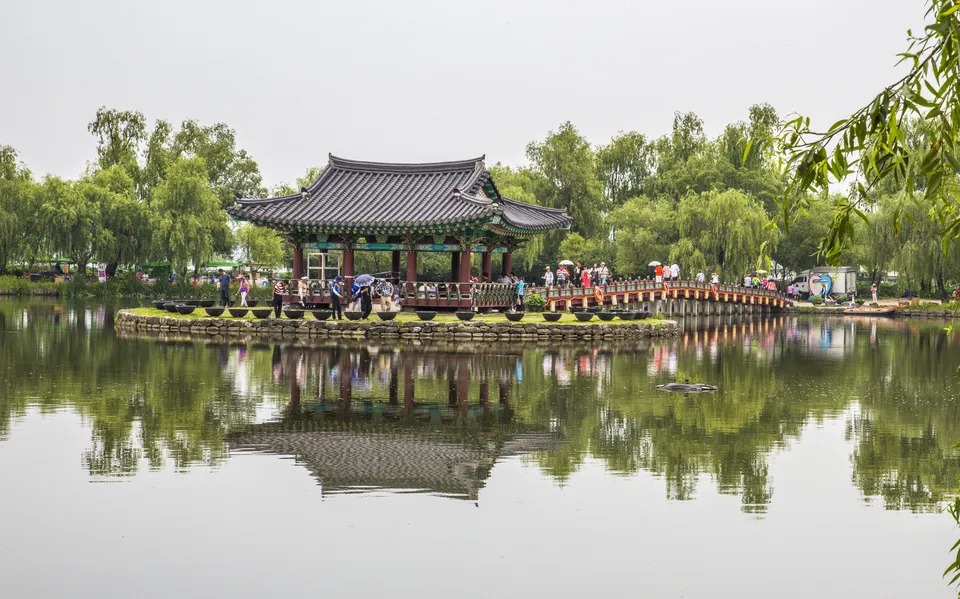
Incheon
Korea’s gateway port — Chinatown, Songdo’s futuristic skyline and the airport island.
Agent guide
Suwon
The great fortress city — UNESCO Hwaseong walls within reach of Seoul.
Agent guide
DMZ (Demilitarized Zone)
The world’s most fortified border — a moving half-day from Seoul.
Agent guide
Gapyeong
Nami Island, Petite France and the lakeside escapes of K-drama fame.
Agent guide
Digital Media City
Sangam's broadcast district — Haneul Park, and the airport line.
Agent guide
Yongin
Everland theme park and the open-air Korean Folk Village.
Agent guideSeoul month by month — the agent calendar.
Seasonality decides whether a Seoul program delights or disappoints, so here is the honest month-by-month picture our operations team works from. Because Seoul runs on Korea's four-season temperate calendar, the headline windows are cherry blossom in early–mid April and autumn foliage in late October and November, with clear dry winters and hot, humid monsoon summers between. Use it to set expectations at the point of sale — clients forgive weather they were warned about and never forgive weather they were promised away.
January in Seoul
Clear, cold and dry in Seoul: crisp days of −6 to 4°C, the year's best visibility, winter illuminations and low-season value. Lock in hotels for any cherry-blossom-adjacent dates early. On the ground, drivers and guides are confirmed the evening before each program day, whatever the month. Booking note: rates are keener now; push for value adds.
February in Seoul
Still cold and dry in Seoul with bright skies and few crowds. The first plum and camellia blossoms open in the south late in the month, and rates remain at their friendliest. Hotel materialisation deadlines bite hardest in this window — the desk flags every cut-off date in writing. Booking note: ideal for honeymoon upgrades at shoulder pricing.
March in Seoul
Early spring in Seoul: mild 8–15°C with the first cherry blossom opening in the south by late month. Demand surges as the blossom front moves north — book four to six months out. Guide allocation tightens in busy weeks, so language requests should travel with the booking, not after it. Booking note: keep one flex day in the program for weather swaps.
April in Seoul
Cherry-blossom peak in Seoul: mild 12–20°C, blossoms at their height, and the busiest, most beautiful window of the year. Book well ahead and confirm in writing. On the ground, drivers and guides are confirmed the evening before each program day, whatever the month. Booking note: family demand spikes — reserve connecting rooms early.
May in Seoul
Fresh, pleasant Seoul at 17–23°C — fresh greenery, comfortable touring and thinning crowds after the blossom rush. One of the most underrated months to sell. Excursion capacity is managed day by day, with weather swaps decided before clients reach the lobby. Booking note: keep one flex day in the program for weather swaps.
June in Seoul
Early summer in Seoul brings the monsoon (jangma) from late June: warm 23–27°C with humid spells and showers between bright days. The Boryeong Mud Festival lands; build flexible afternoons in. Vehicle dispatch runs to the season: earlier starts in summer heat, winter-experienced drivers when snow is likely. Booking note: ideal for honeymoon upgrades at shoulder pricing.
July in Seoul
Hot, humid summer in Seoul at 26–31°C, the rains easing into festival season. Start sightseeing early, plan cool indoor breaks and keep the program flexible. Vehicle dispatch runs to the season: earlier starts in summer heat, winter-experienced drivers when snow is likely. Booking note: rates are keener now; push for value adds.
August in Seoul
Peak summer heat in Seoul, 28–33°C and humid, with the summer-holiday surge mid-month tightening domestic travel. Beaches and festivals abound; early starts are essential. Excursion capacity is managed day by day, with weather swaps decided before clients reach the lobby. Booking note: a strong month for series groups — allotments help.
September in Seoul
Warm easing to comfortable in Seoul, 22–28°C, though early autumn carries some typhoon risk. Crowds thin and the first hints of foliage appear in the mountains. Our operations desk re-checks every transfer and rail leg against the live conditions each morning this month. Booking note: peak-season cut-offs bite — confirm in writing to protect yourself.
October in Seoul
Crisp, clear autumn in Seoul at 15–22°C — superb touring weather as the foliage begins late month at Seoraksan and Naejangsan. The second peak after blossom; quote leaf dates carefully. Hotel materialisation deadlines bite hardest in this window — the desk flags every cut-off date in writing. Booking note: rates are keener now; push for value adds.
November in Seoul
Autumn foliage peak in Seoul: cool 8–17°C, brilliant maple and ginkgo colour and clear skies. Rivalling spring for beauty and demand — confirm rooms and guides well ahead. Hotel materialisation deadlines bite hardest in this window — the desk flags every cut-off date in writing. Booking note: rates are keener now; push for value adds.
December in Seoul
Cold, clear and dry in Seoul: −3 to 7°C, sparkling winter illuminations and crisp blue skies. Year-end demand peaks hard, so confirm rooms and vehicles early. Guide allocation tightens in busy weeks, so language requests should travel with the booking, not after it. Booking note: peak-season cut-offs bite — confirm in writing to protect yourself.
Suggested Seoul Capital Area circuits for agents.
Multi-stop routings are where Seoul Capital Area earns repeat bookings — one region, several registers, no wasted repositioning. These two circuits are our proven sequences; both re-shape freely around your clients dates and budget.
The classic circuit
Seoul — Incheon — Suwon — DMZ & Paju (7 nights). The region's headline act: the anchor destination plus its strongest neighbours, paced for first-time visitors. The program opens via ICN Incheon & GMP Gimpo and runs as one sequenced file: a single coordinator, luggage handled at every leg and contracted hotels throughout. Each stop contributes a different register — Seoul for Gyeongbokgung Palace & changing of the guard, Incheon for Incheon Chinatown, Suwon for Hwaseong Fortress, DMZ & Paju for Third Infiltration Tunnel — so the week never repeats itself. Net-rate costing with two hotel tiers comes back from the trade desk within 24 hours.
The depth circuit
DMZ & Paju — Gapyeong — Yongin (6 nights). For repeat clients and special-interest files: the quieter stops where the region shows its real character. The program opens via Seoul — 60–90 min by road and runs as one sequenced file: a single coordinator, luggage handled at every leg and contracted hotels throughout. Each stop contributes a different register — DMZ & Paju for Third Infiltration Tunnel, Gapyeong for Nami Island, Yongin for Everland theme park — so the week never repeats itself. Net-rate costing with two hotel tiers comes back from the trade desk within 24 hours.
Seoul Capital Area — frequently asked by agents.
How many nights should clients spend in Seoul?
Three to four nights is the sweet spot for first-time visitors: one day for Gyeongbokgung, Bukchon and Insadong, one for Myeongdong, Namsan and shopping, one for Hongdae or Gangnam, and a day-trip to the DMZ, Nami Island or Suwon. Stopover clients do a meaningful 48 hours; repeat visitors fill five nights easily with food, K-culture and neighbourhood touring.
Which day trip from Seoul should I sell?
Match it to the client: the DMZ for the divided-peninsula story (the single most-requested day trip), Nami Island and the Garden of Morning Calm for K-drama scenery, Suwon's Hwaseong fortress for UNESCO heritage, and Everland for families. We run each as a private or join-in program with a licensed guide and pre-issued tickets; DMZ tours require passports and advance booking.
Should clients use a Korail Pass in the Seoul area?
For a Seoul-only stay, no — a T-money card and point-to-point tickets are cheaper. The Korail Pass earns its value once the itinerary uses the KTX to Busan, Gyeongju or Jeonju. We model the rail spend at quotation and advise the pass, point-to-point tickets or a private-vehicle combination that genuinely costs your client least.
Does Explera handle transfers at both Seoul airports?
Yes. We meet every arrival at Incheon and Gimpo with a name board, a GPS-tracked vehicle and an English-speaking driver, monitored against the live flight number. Delays, terminal changes and late-night arrivals are absorbed by the 24/7 operations desk at no surcharge to your client.
How many nights does a Seoul Capital Area program need?
Plan three to five for a satisfying program — enough to cover the headline experiences without the pace feeling punitive. Shorter visits work as add-ons to a Seoul or Busan stay; longer ones suit special-interest files. The trade desk will tell you honestly when a client's wish list needs another night, and when it does not.
What is the best gateway for Seoul Capital Area?
Route clients through Seoul's two airports — Incheon (ICN) and Gimpo (GMP). Explera meets every arrival with a GPS-tracked vehicle and an English-speaking driver, monitored against the live flight number, and the regional team sequences onward legs so the routing never backtracks. Send your clients' arrival city and the desk returns the optimal entry point with the quotation.
Can Explera run series departures in Seoul Capital Area?
Yes — series operations are core business here: the DMZ, Nami Island, Suwon and Everland day programs run daily year-round, making weekly series departures easy to guarantee. We build allotment proposals around your expected volumes with sensible release-back dates, assign consistent guides and vehicles across departures, and report load factors so you can steer marketing. One contracting conversation covers the whole season.
What hotel standard should agents expect in Seoul Capital Area?
Set expectations precisely: every tier exists, from hanok guesthouses and business hotels to the five-star luxury towers of Gangnam and central Seoul — the deepest inventory in Korea. We contract the strongest property in each band, state plainly what each delivers, and never let a brochure category paper over a real difference. Room-type guarantees, connecting rooms and event space are confirmed in writing at booking, not discovered at check-in.