
Quick answer: Seoul's city wall, Hanyangdoseong, was begun in 1396 by the founder of the Joseon dynasty and runs for roughly 18 kilometres over the four mountains that ring the old city, with great gates such as Sungnyemun in the south and Heunginjimun in the east. For a group it is a walk with a view and a history lesson in one: long sections survive, and the path follows the wall past neighbourhoods most visitors never see. The Naksan section is the easy choice, gentle and close to Dongdaemun; Inwangsan is steep; the northern section has had changing access rules. Explera DMC Korea picks the section by fitness and briefs a guide on the wall's story.
What the wall is
- The boundary of Joseon's capital. Built to enclose the new capital from 1396, rebuilt and repaired over centuries, it marked what was inside the city and what was not.
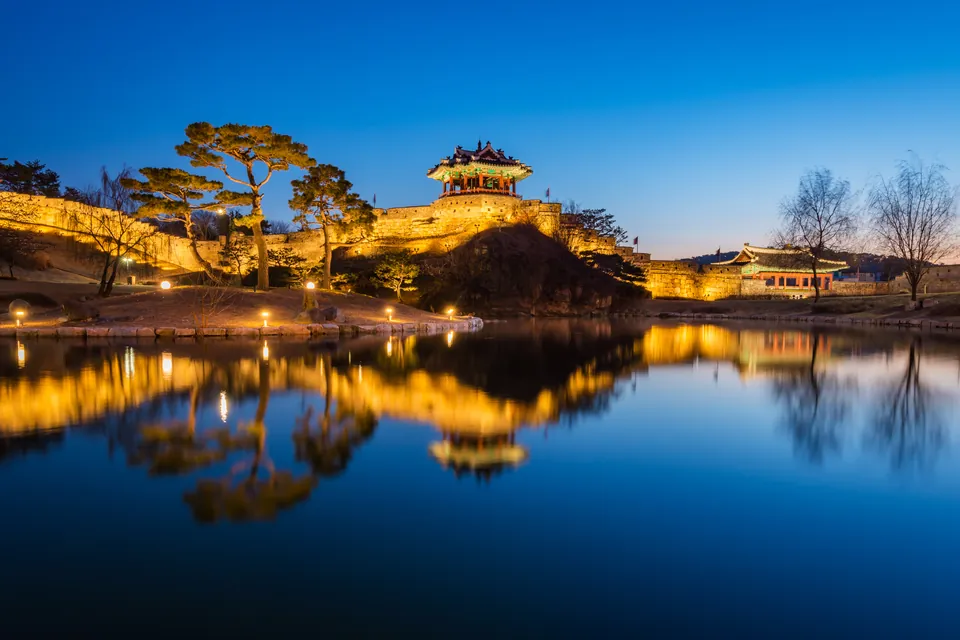
- Four mountains, one circuit. The wall climbs over Bugaksan, Naksan, Namsan and Inwangsan, so walking it means walking the edge of the old city.
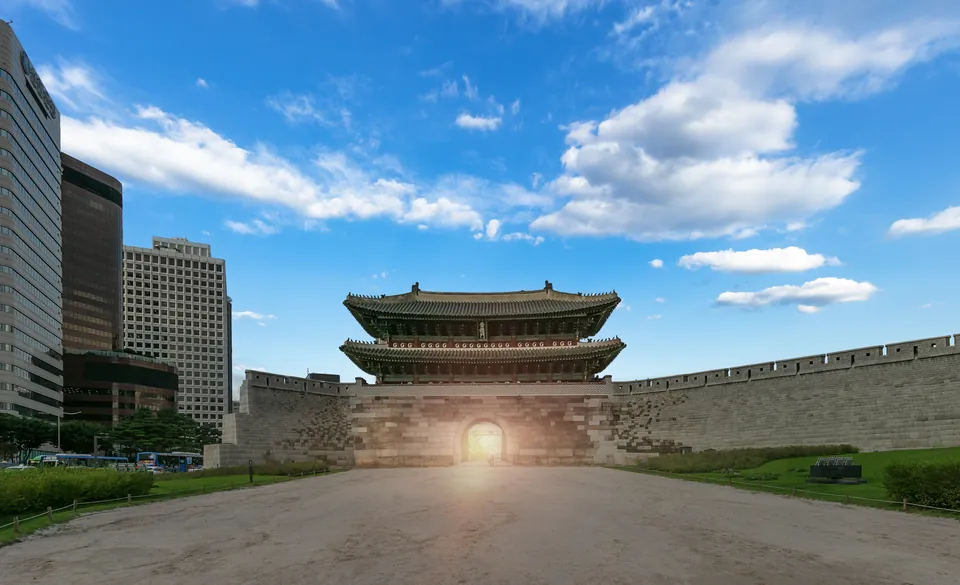
- Great gates still standing. Sungnyemun, the south gate, and Heunginjimun, the east gate, remain city landmarks, alongside smaller gates on the mountain sections.
The sections, and which suits a group
- Naksan (east): the gentlest section, a gradual walk with views over the city and past the hillside lanes of Ihwa-dong, ending near Heunginjimun. The best default for mixed groups.
- Namsan (south): wooded paths around the hill below N Seoul Tower, easily combined with the tower and the old town below.
- Inwangsan (west): steep stone steps and rocky ground with some of the best views of the palaces. For fit groups only.
- Bugaksan (north): above the palace area near the presidential compound; access rules on this section have changed more than once, so confirm them for the date.
Fitting it into a Seoul day
- Keep it to one section. The whole circuit is a full day's hike; one or two hours on the wall is right for most programmes.
- Start or finish at a gate. A walk ending at Heunginjimun links naturally to Dongdaemun, and one near Sungnyemun to Namdaemun market.
- Go early or late in hot months. The paths are exposed in places; spring and autumn are the best seasons.
- Brief footwear and fitness. Even the easy sections include stairs; good shoes and water are essential.
Why it works
The wall gives a group something the palaces cannot: the scale of the old capital, seen from its edge, with modern Seoul spread out below. It is also free to walk, largely uncrowded outside weekends, and it reaches neighbourhoods where daily life carries on around the monument.
It needs a guide who can tell its story — the founding of the capital, the repairs of different centuries visible in the stonework, the gates lost and rebuilt. Without that, it is a pleasant walk; with it, it is one of the best introductions to Seoul.
Chosen by fitness, told by a guide
Explera DMC Korea chooses the wall section to match the group's fitness and the rest of the day, positions the coach at both ends, and briefs a licensed guide on the wall's history.
Send your dates, pax and group profile to b2b@explera.kr or WhatsApp +66 93 656 8090. Explera DMC Korea is IATA TIDS-registered (96215733) and an ASTA member (#900408341); our KTO and KATA registrations are in application.
Where this fits in our Korea programmes
The pages below carry the operational detail behind this briefing.
- Services: Guide services in Korea · Tours & activities in Korea · Group travel & GIT in Korea
- Destinations: Seoul · Gyeongju · the DMZ