
Quick answer: Yeondeunghoe, the Lotus Lantern Festival, is Seoul's celebration of Buddha's Birthday, and it was inscribed on UNESCO's intangible heritage list in 2020. For weeks before the holiday, temples such as Jogyesa and Bongeunsa hang thousands of lanterns; on one evening, a lantern parade of monks, temple groups and illuminated floats runs through central Seoul. The holiday follows the lunar calendar and usually falls in May, and the organisers publish the parade date each year. For a group, the parade night is a walking evening: roads close, coaches cannot follow, and viewing spots fill early. Explera DMC Korea plans the evening on foot with a guide, a meal nearby and a coach waiting outside the closures.
What the festival is
- A living tradition, not a staged show. The lantern festival goes back many centuries in Korea and is organised by the Buddhist community. The UNESCO listing in 2020 recognised it as intangible cultural heritage.
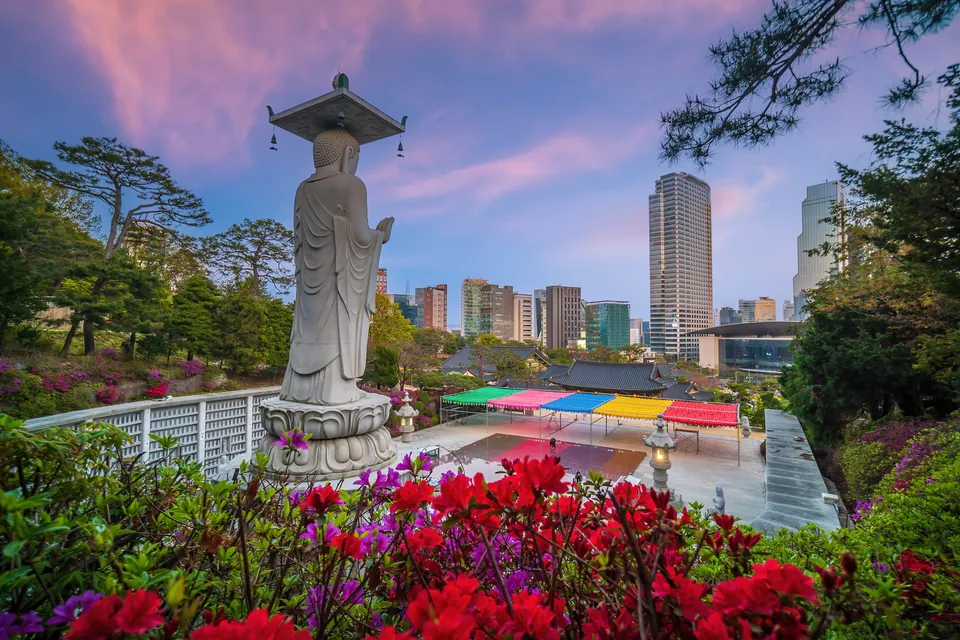
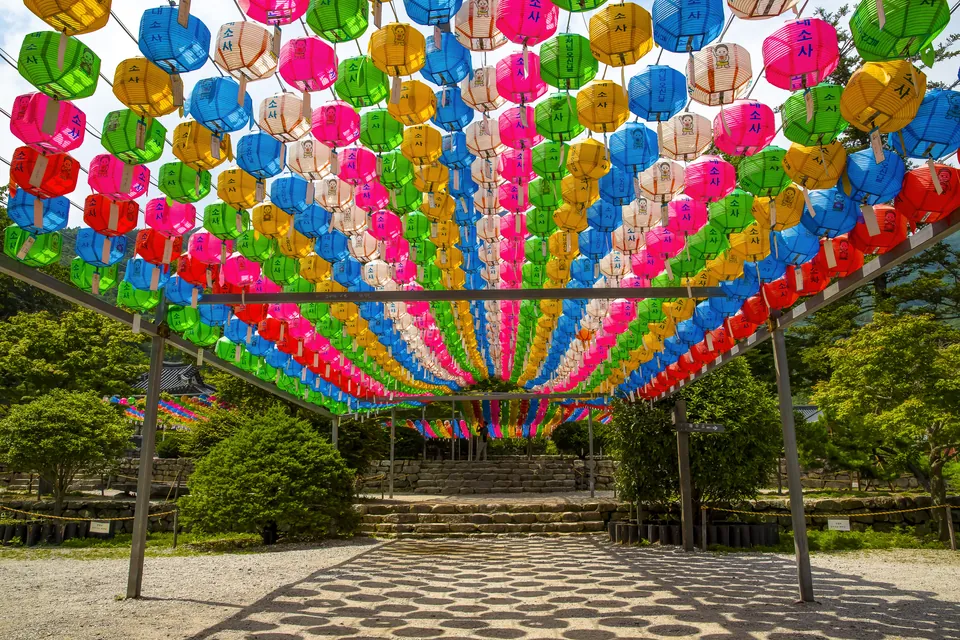
- Temple lanterns for weeks. In the run-up to Buddha's Birthday, Jogyesa in central Seoul and Bongeunsa in Gangnam are hung with lanterns, beautiful by day and at night.
- One parade evening. Temple groups, monks and large illuminated lantern floats process through central Seoul. It is the moment most clients will remember.
- Street events around it. Around the parade weekend there are usually hands-on activities such as lantern making near Jogyesa. The programme changes each year.
The dates, and why you cannot print them early
- Buddha's Birthday follows the lunar calendar, so the public holiday moves each year, usually falling in May.
- The parade is normally held on a weekend evening before the holiday, but the date is set and published by the organisers.
- Sell the season, then fix the night. A spring departure can be built around the lantern weeks and the parade added once the date is announced.
- It is a public holiday. Temples are busy and some businesses close, so treat the holiday itself as a special day, not a normal touring day.
Running the parade night with a group
- Walk, do not drive. The parade route closes to traffic. The coach drops the group before the closures and waits outside them.
- Arrive early. Good viewing positions along the route fill well before the start. The guide chooses a spot with a clear exit.
- Eat before, not after. Restaurants near the route are full as soon as the parade ends. A set dinner booked nearby before the start works best.
- Brief the crowd plan. A meeting point, a time and the guide's phone number for every guest. The streets are dense but good-natured.
- Offer a quieter option. For older or less mobile clients, an evening at a lantern-hung temple can replace the parade itself.
Who it suits, and what to pair it with
The festival suits culture-led spring groups, faith and meditation groups, photographers and repeat visitors looking for something new in Seoul. It pairs naturally with a temple stay or a temple-life half day, a palace morning, and the later spring blooms outside Seoul.
Etiquette is simple: dress modestly in the temple courtyards, do not climb on anything for a better view, and let monks and participants through. Photography of the parade is welcome; inside temple halls, the guide will say when it is not.
Planned around the parade
Explera DMC Korea builds the spring programme around the lantern weeks, confirms the parade date as soon as it is published, and plans the evening on foot with a guide, a set dinner and a coach positioned outside the road closures.
Send your spring dates, pax and group profile to b2b@explera.kr or WhatsApp +66 93 656 8090. Explera DMC Korea is IATA TIDS-registered (96215733) and an ASTA member (#900408341); our KTO and KATA registrations are in application.
Where this fits in our Korea programmes
The pages below carry the operational detail behind this briefing.
- Services: Tours & activities in Korea · Guide services in Korea · Group travel & GIT in Korea
- Destinations: Seoul · Gyeongju · Busan