
EN
+66 93 656 8090
Gwangju, Korea — Explera DMC destination guide
Jeolla Via Seoul — 1h45 by KTX

Gwangju DMC — agent guide

The art-and-democracy city of the southwest.

GatewayVia Seoul — 1h45 by KTX
Transfers1h45 from Seoul by high-speed KTX
Best monthsMar–May & Oct–Nov
Ground support24/7 Explera operations desk
Why your clients will love it

Selling Gwangju with confidence.

The Asia Culture Center, the May 18 democracy heritage, Mudeungsan’s peaks and a celebrated regional cuisine. The cultural hub of Jeolla.

As your Gwangju DMC, Explera is the destination management company behind the itinerary — contracting the hotels, operating the transfers and excursions, assigning licensed guides in your clients' language and answering 24/7 once they land. You keep the client relationship and the retail margin; we run Gwangju on the ground.

Top things to do

What we package in Gwangju — curated by Explera.

Private guides, tickets and transfers included; every experience below is bookable at net rates for your clients.

01Asia Culture Center
02May 18 Democratic Uprising sites
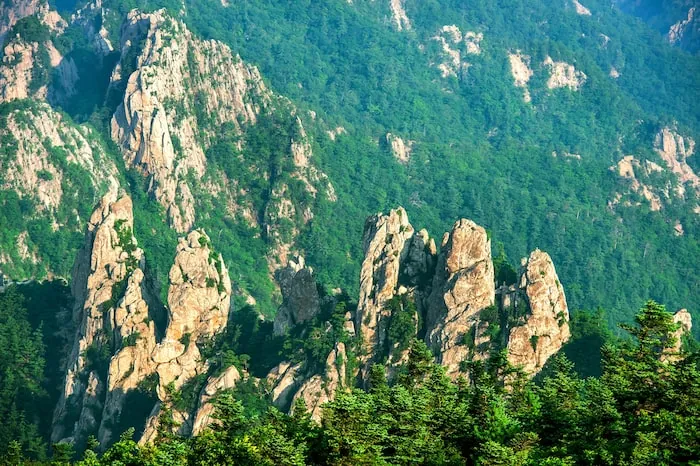
03Mudeungsan National Park
04Penguin Village
05Gwangju art biennale (seasonal)
Gwangju in depth

Every Gwangju experience, explained for agents.

The numbered cards above show what we package in Gwangju; this section explains how each experience actually runs on the ground — the timing, the ticketing, the guiding and the type of client each one suits. Gwangju belongs to Jeolla, Korea's soul of food and tradition, from Jeonju's hanok village and bibimbap to the southern coast and tea fields. Because Gwangju runs on Korea's four-season temperate calendar, the headline windows are cherry blossom in early–mid April and autumn foliage in late October and November, with clear dry winters and hot, humid monsoon summers between. Every program below is operated at net rates with transfers and licensed guides included, and the trade desk will combine any of them into half-day, full-day or multi-day modules within 24 hours of your enquiry.

Asia Culture Center

History-minded clients should anchor a Gwangju day around Asia Culture Center. It is the kind of site where the difference between a good guide and no guide is the difference between a lasting memory and a hot walk — so we assign specialists, briefed to your clients language and interest level. Operationally it is simple: pre-issued tickets, an early or late time slot to dodge heat and coaches, and a vehicle waiting at the exit rather than a long march back to a car park. Pair it with a craft or market stop to vary the register of the day.

Fit matters: Asia Culture Center suits most profiles, but we will tell you honestly when it does not. Families get adjusted timings and shorter walking loops; honeymooners get the private upgrade and the quiet hours; groups get marshalled logistics with buffer time built in. In Gwangju we would rather flag a mismatch at quotation than collect a complaint after travel — that honesty is why agencies keep routing programs through us.

Format matters as much as content here. Asia Culture Center runs as a join-in departure for cost-conscious FIT, as a private program for families and couples who want the pace to themselves, and as a marshalled group module for series and incentive files in Gwangju. The experience is the same; the wrapping and the price point differ, and the desk quotes all applicable formats side by side. Tell us the manifest and the budget band, and the recommendation comes back with reasoning attached, not just a number.

May 18 Democratic Uprising sites

May 18 Democratic Uprising sites rounds out the Gwangju portfolio — one of those flexible experiences that adapts to whatever the itinerary needs. We slot it as a half-day module with hotel pickup, a licensed guide and all entrance formalities pre-cleared, so it can anchor a quiet day or fill the gap between headline excursions. Timing is tuned to the season and the crowd patterns our local team tracks week by week. It suits mixed groups well because the pace is adjustable, and it gives repeat visitors something beyond the obvious circuit. Net rates and combination pricing come back from the trade desk within 24 hours.

Fit matters: May 18 Democratic Uprising sites suits most profiles, but we will tell you honestly when it does not. Families get adjusted timings and shorter walking loops; honeymooners get the private upgrade and the quiet hours; groups get marshalled logistics with buffer time built in. In Gwangju we would rather flag a mismatch at quotation than collect a complaint after travel — that honesty is why agencies keep routing programs through us.

For the photographers in the group — and every group now has them — May 18 Democratic Uprising sites has its golden minutes, and our Gwangju guides know precisely when they fall in each season. We will happily shift a pickup by forty minutes to put your clients in the right light, because the images they bring home are the most persuasive marketing your agency never had to commission. Tripods, drone rules and photography permissions vary by site; flag serious photographers at booking and the desk pre-clears what can be pre-cleared.

Mudeungsan National Park

For clients who need to breathe between cities, Mudeungsan National Park is the answer in Gwangju. The experience scales to fitness levels — gentle boardwalk strolls for seniors and families, longer trails for the energetic — and our guides read the group before setting the pace. Mornings are cooler, quieter and better for photography; afternoons suit a slow second visit or a swim where permitted. We bundle entrance fees, transfers and a packed or local lunch into one net figure, and we are honest about the seasonal windows: some months this experience is spectacular, others it simply is not, and we will tell you which.

For agents, the commercial logic is simple: Mudeungsan National Park is contracted at net rates with tickets, transfers and guiding bundled into one line on the quotation. You set your own margin. We confirm availability within 24 hours, issue vouchers your clients can show on a phone, and absorb the small operational hiccups — a late pickup, a weather swap — through the Gwangju ground team without bothering you or your client.

As an upsell, Mudeungsan National Park works hardest in combination: pair it with one of the other experiences on this page sharing the same geography and the same vehicle, and the half-day price of each drops while the day reads as a richer product on your itinerary. Our Gwangju planners build those pairings daily and will flag the natural matches on the quotation unprompted. Private upgrades, extended dwell time and meal add-ons are itemised separately, so you choose the margin architecture rather than inheriting ours.

Penguin Village

Penguin Village opens a door into the everyday life around Gwangju — and we open it carefully. Community visits run on the community terms: small groups, a local host alongside our licensed guide, and revenue that stays in the village rather than leaking to middlemen. There is no staged performance here, which is exactly why it works; clients watch real skills, taste real cooking and ask real questions through the guide. We schedule visits when the village is naturally active and we cap numbers per departure, so confirm early for peak dates through the trade desk.

Guides make this experience, so we assign them by source market: English as standard, with Mandarin, Russian, Arabic, German, French and other major languages available on request for Penguin Village. Briefings happen before day one, not in the vehicle. If your clients have mobility needs, young children or a photography obsession, tell the trade desk at booking and the Gwangju team will shape the pacing accordingly.

Season shapes this experience more than most clients realise. Because Gwangju runs on Korea's four-season temperate calendar, the headline windows are cherry blossom in early–mid April and autumn foliage in late October and November, with clear dry winters and hot, humid monsoon summers between, so the desk will tell you plainly how Penguin Village performs on your travel dates — which weeks flatter it, which merely tolerate it, and when an alternative serves the file better. That candour at quotation stage is cheaper than disappointment after travel, and it is the habit that keeps agencies routing their Gwangju programs through one ground operator instead of three suppliers who each blame the others.

Gwangju art biennale (seasonal)

Gwangju art biennale is the cultural centrepiece that separates Gwangju from a generic stopover. We sell it as a story, not a checklist: the guide sets the scene before arrival, the walk-through follows the narrative rather than the shortest route, and clients leave understanding why this place mattered. Allow up to two hours; less does it a disservice. Our desk handles entrance tickets, any required dress standards and the timed-entry rules that apply on peak dates. For incentive groups we can arrange enhanced visits — special access or expert talks — quoted per program through the trade desk.

Operationally, Gwangju art biennale runs from any Gwangju hotel with pickup times confirmed the evening before. Arrival is via Via Seoul — 1h45 by KTX, and with 1h45 from Seoul by high-speed KTX, the excursion day is planned around realistic, GPS-tracked drive times rather than brochure optimism. Your clients get a named driver, a licensed guide where the program includes one, and the 24/7 desk number printed on every voucher.

As an upsell, Gwangju art biennale works hardest in combination: pair it with one of the other experiences on this page sharing the same geography and the same vehicle, and the half-day price of each drops while the day reads as a richer product on your itinerary. Our Gwangju planners build those pairings daily and will flag the natural matches on the quotation unprompted. Private upgrades, extended dwell time and meal add-ons are itemised separately, so you choose the margin architecture rather than inheriting ours.

Beyond the headline experiences, the Gwangju ground team keeps a longer menu of excursions, private dining set-ups and special-interest programs that never make it onto a public page — golf days, photography mornings, faith-based visits and teambuilding formats among them. If your client brief does not match anything above, describe it to the trade desk and we will build it. And because Gwangju sits within easy reach of Jeonju and Yeosu, most of these experiences can be woven into a wider Jeolla routing without repositioning hotels every night.

Weather & best time to travel

Seasonality in Gwangju — when to book your clients.

SeasonMonthsWeatherAgent notes
SpringMar–MayMild 12–20°C; cherry blossoms early–mid AprCherry-blossom peak — the busiest, most beautiful window; book 4–6 months out.
SummerJun–AugHot, humid; monsoon rains late Jun–JulFestival and beach season but humid — start early, plan indoor breaks.
AutumnSep–NovCrisp, clear; foliage late Oct–NovAutumn foliage rivals spring — the second peak; quote foliage dates carefully.
WinterDec–FebCold –6 to 4°C, dry, clearCrisp clear skies, illuminations and low-season value; dress for the cold.
Month by month

Gwangju month by month — the agent calendar.

Seasonality decides whether a Gwangju program delights or disappoints, so here is the honest month-by-month picture our operations team works from. Because Gwangju runs on Korea's four-season temperate calendar, the headline windows are cherry blossom in early–mid April and autumn foliage in late October and November, with clear dry winters and hot, humid monsoon summers between. Use it to set expectations at the point of sale — clients forgive weather they were warned about and never forgive weather they were promised away.

January in Gwangju

Clear, cold and dry in Gwangju: crisp days of −6 to 4°C, the year's best visibility, winter illuminations and low-season value. Lock in hotels for any cherry-blossom-adjacent dates early. On the ground, drivers and guides are confirmed the evening before each program day, whatever the month. Booking note: confirm rooms 60–90 days out for this window.

February in Gwangju

Still cold and dry in Gwangju with bright skies and few crowds. The first plum and camellia blossoms open in the south late in the month, and rates remain at their friendliest. Vehicle dispatch runs to the season: earlier starts in summer heat, winter-experienced drivers when snow is likely. Booking note: family demand spikes — reserve connecting rooms early.

March in Gwangju

Early spring in Gwangju: mild 8–15°C with the first cherry blossom opening in the south by late month. Demand surges as the blossom front moves north — book four to six months out. Excursion capacity is managed day by day, with weather swaps decided before clients reach the lobby. Booking note: peak-season cut-offs bite — confirm in writing to protect yourself.

April in Gwangju

Cherry-blossom peak in Gwangju: mild 12–20°C, blossoms at their height including the Jinhae festival, and the busiest, most beautiful window of the year. Book well ahead and confirm in writing. Hotel materialisation deadlines bite hardest in this window — the desk flags every cut-off date in writing. Booking note: ideal for honeymoon upgrades at shoulder pricing.

May in Gwangju

Fresh, pleasant Gwangju at 17–23°C — fresh greenery, comfortable touring and thinning crowds after the blossom rush. One of the most underrated months to sell. Guide allocation tightens in busy weeks, so language requests should travel with the booking, not after it. Booking note: peak-season cut-offs bite — confirm in writing to protect yourself.

June in Gwangju

Early summer in Gwangju brings the monsoon (jangma) from late June: warm 23–27°C with humid spells and showers between bright days. The Boryeong Mud Festival lands; build flexible afternoons in. Vehicle dispatch runs to the season: earlier starts in summer heat, winter-experienced drivers when snow is likely. Booking note: family demand spikes — reserve connecting rooms early.

July in Gwangju

Hot, humid summer in Gwangju at 26–31°C, the rains easing into beach and festival season. Start sightseeing early, plan cool indoor breaks and keep the program flexible. Vehicle dispatch runs to the season: earlier starts in summer heat, winter-experienced drivers when snow is likely. Booking note: confirm rooms 60–90 days out for this window.

August in Gwangju

Peak summer heat in Gwangju, 28–33°C and humid, with the summer-holiday surge mid-month tightening domestic travel. Beaches and festivals abound; early starts are essential. Our operations desk re-checks every transfer and rail leg against the live conditions each morning this month. Booking note: rail seats and flights fill before hotels do — sequence transport first.

September in Gwangju

Warm easing to comfortable in Gwangju, 22–28°C, though early autumn carries some typhoon risk. Crowds thin and the first hints of foliage appear in the mountains. Guide allocation tightens in busy weeks, so language requests should travel with the booking, not after it. Booking note: keep one flex day in the program for weather swaps.

October in Gwangju

Crisp, clear autumn in Gwangju at 15–22°C — superb touring weather as the foliage begins late month at Seoraksan and Naejangsan. The second peak after blossom; quote leaf dates carefully. Hotel materialisation deadlines bite hardest in this window — the desk flags every cut-off date in writing. Booking note: confirm rooms 60–90 days out for this window.

November in Gwangju

Autumn foliage peak in Gwangju: cool 8–17°C, brilliant maple and ginkgo colour and clear skies. Rivalling spring for beauty and demand — confirm rooms and guides well ahead. Vehicle dispatch runs to the season: earlier starts in summer heat, winter-experienced drivers when snow is likely. Booking note: confirm rooms 60–90 days out for this window.

December in Gwangju

Cold, clear and dry in Gwangju: −3 to 7°C, sparkling winter illuminations and crisp blue skies. Year-end demand peaks hard, so confirm rooms and vehicles early. Our operations desk re-checks every transfer and rail leg against the live conditions each morning this month. Booking note: keep one flex day in the program for weather swaps.

Photo highlights

Gwangju — scenes from the destination.

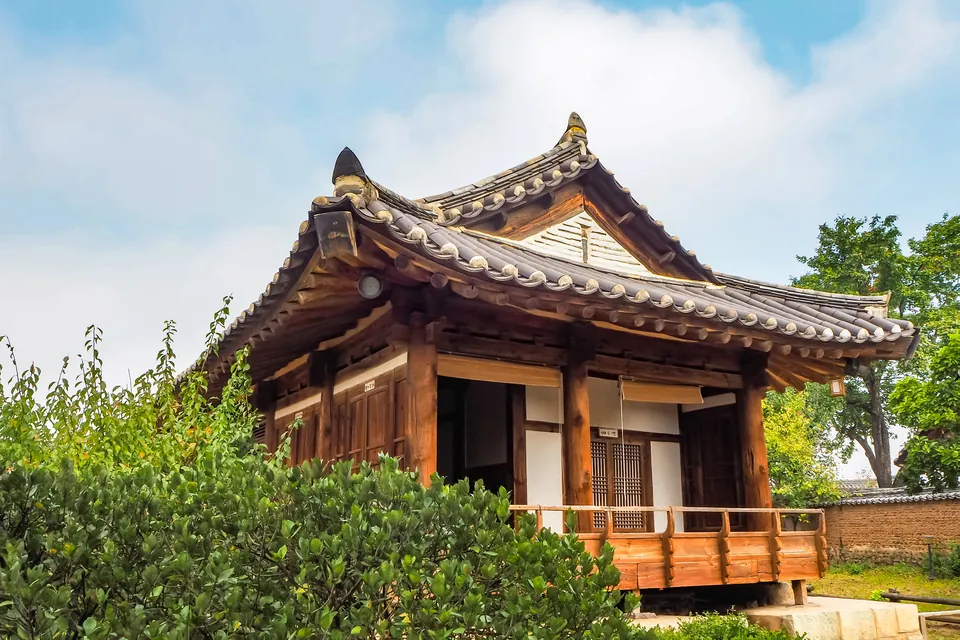
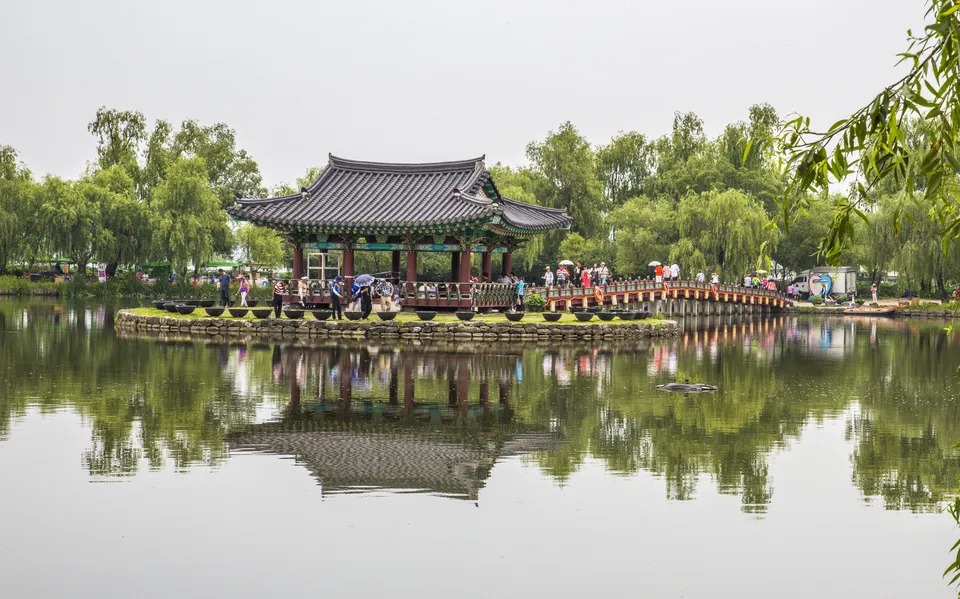
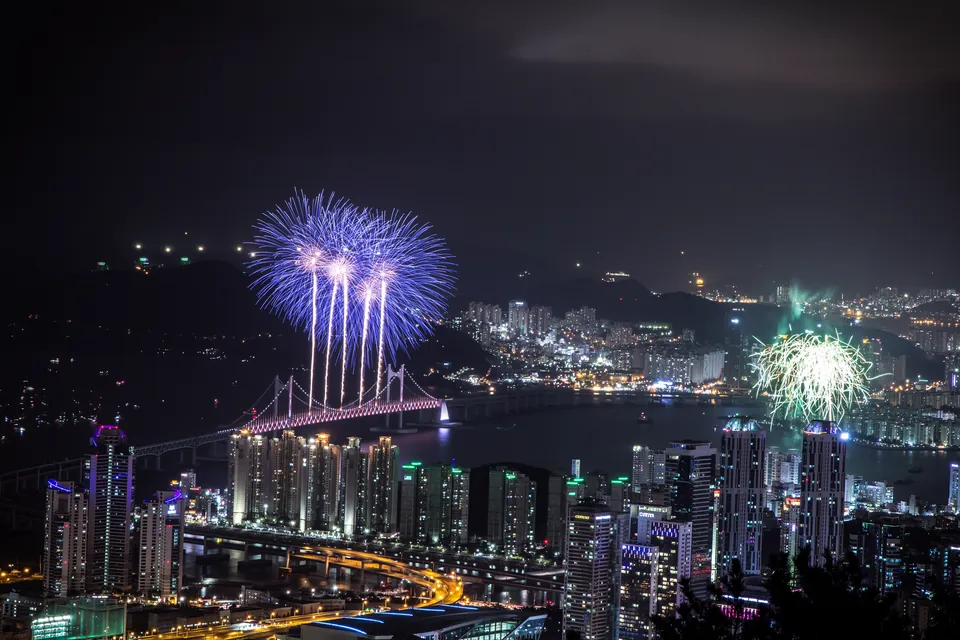
Gwangju, Korea — Cityscape
Gwangju, Korea — Landmark
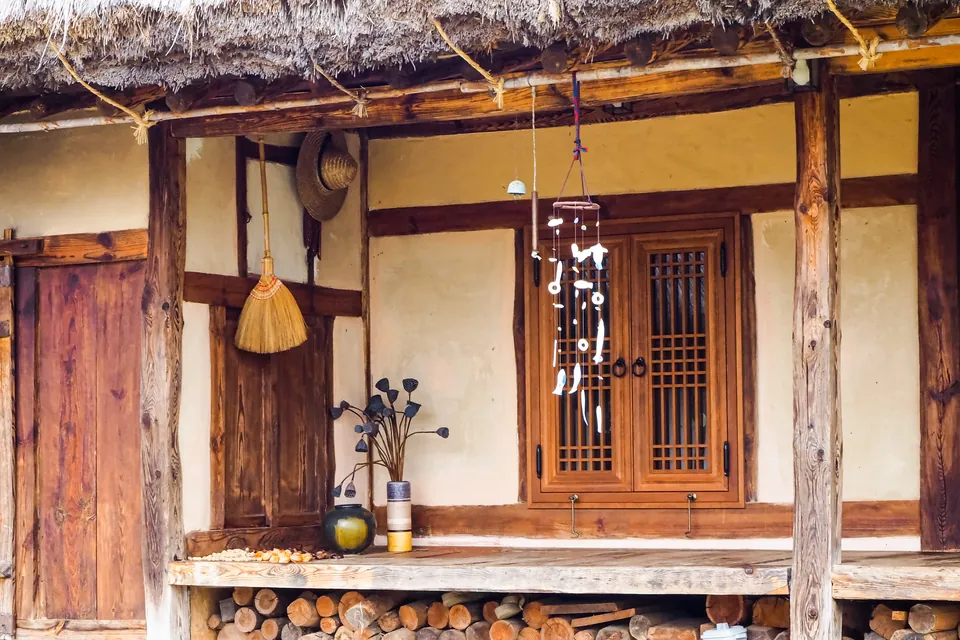
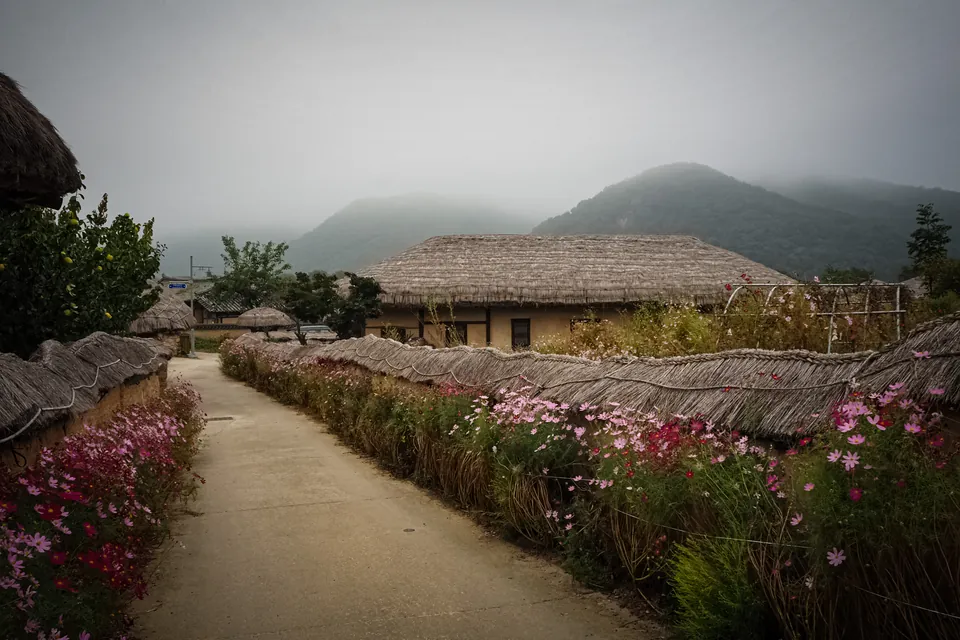
Gwangju, Korea — Street
Gwangju, Korea — Food
Gwangju, Korea — Market
Gwangju, Korea — Culture
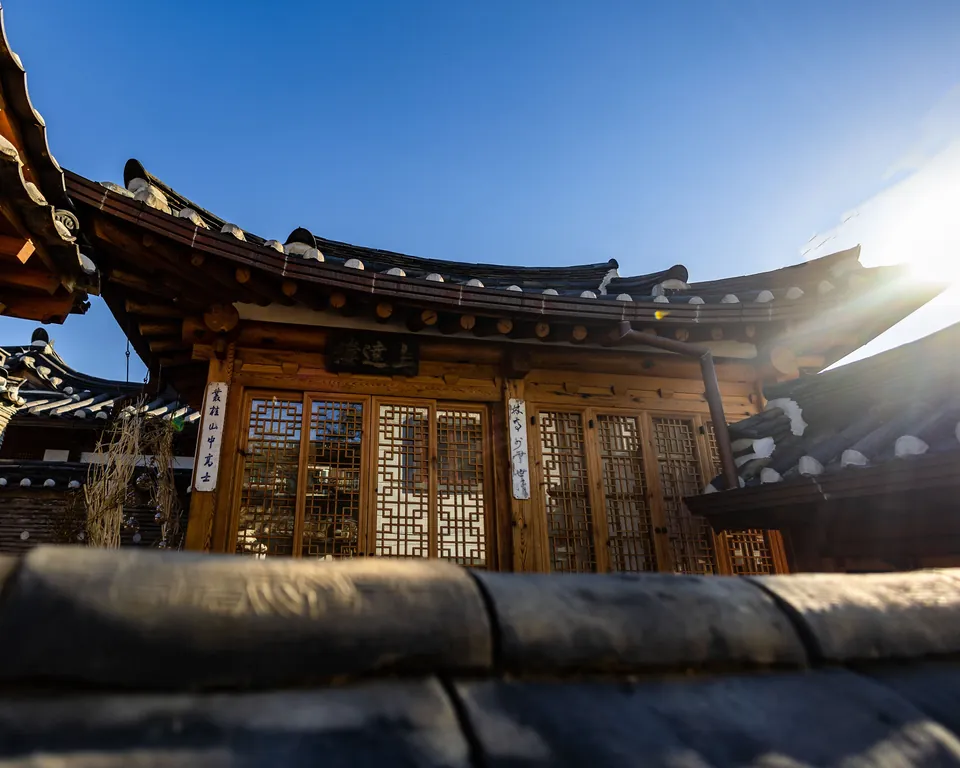
Gwangju, Korea — Architecture
Gwangju, Korea — Night

Indicative destination imagery — replace with Explera's licensed Gwangju photography before launch.

Explore Gwangju for your clients

Shopping, dining, wellness & entertainment — agent-curated.

Local marketsTraditional markets in Gwangju
Regional craftsLocal products and souvenirs
Jeolla cuisineKorea’s celebrated regional table
Bibimbap & hanjeongsikBanquet-style local meals
Jjimjilbang & spaKorean bathhouse culture
Parks & templesCalm green spaces
Seasonal festivalsGwangju festivals and events
Local nightlifeBars and pojangmacha
Beyond the sights

Gwangju dining, shopping & everyday life — the agent briefing.

Shopping in Gwangju

Shopping in Gwangju is part of the itinerary, not an afterthought — clients measure a destination partly by what they carry home. The venues below are the ones our local team actually sends people to, with honest notes on what each does best. We fold shopping stops into touring days at natural points, advise on tax-free procedures for overseas visitors, and can arrange luggage forwarding for bulky finds so the purchase never becomes a baggage problem.

Local markets. traditional markets in Gwangju — bookable through our desk with transfers timed to your program. Regional crafts. local products and souvenirs; ask the trade desk how it pairs with the day programs above.

Dining in Gwangju

Ask anyone who has been what they remember about Gwangju and the food arrives in the first sentence. The listings below are our team's working shortlist — the places we send our own staff. We schedule dining experiences when each venue is at its natural best, secure reservations that fill weeks ahead, and always carry the dietary notes from your booking so nobody ends up stranded at a feast. From sizzling Korean BBQ and street-food alleys to celebration hanjeongsan banquets and Michelin tables, the spread suits every file.

Jeolla cuisine. korea’s celebrated regional table; we fold it into touring days at net rates so agents keep the margin. Bibimbap & hanjeongsik. banquet-style local meals — our local team confirms timings and holds space on peak dates.

Wellness in Gwangju

A spa or hot-spring afternoon is one of the easiest upsells in Gwangju — low effort, high delight, healthy margin. The houses listed below are vetted for standards, not just decor, and our guides brief the bathing etiquette that makes the experience comfortable for first-timers. For wellness-led clients we go further: jjimjilbang sauna sessions, temple-stay mornings and practitioner-led programs, all quoted net through the trade desk.

Jjimjilbang & spa. korean bathhouse culture; ask the trade desk how it pairs with the day programs above. Parks & temples. calm green spaces — our local team confirms timings and holds space on peak dates.

Entertainment in Gwangju

Evenings and recreation are where Gwangju programs win their reviews, because a memorable night out lands hard. The options below cover families, couples and groups; our role is matching the right venue to the right manifest and running the transfers so the evening never ends with a taxi negotiation. We brief honestly on tone — what suits children, what does not — so your recommendation always lands well.

Seasonal festivals. gwangju festivals and events; ask the trade desk how it pairs with the day programs above. Local nightlife. bars and pojangmacha — our local team confirms timings and holds space on peak dates.

Dietary note for agents: Gwangju is Korea's culinary heart — bibimbap, hanjeongsan banquet tables and southern seafood — and dietary needs are met well with notice, with Jeonju's vegetarian bibimbap a natural fit and temple cuisine nearby. Seafood and allergy cases are flagged to every restaurant we book, and our guides handle ingredient translation at the table.

Sample programs

Sample Gwangju itineraries for agents.

These three sample programs show how we typically sequence Gwangju for the trade — a tight first-timer format, a complete stay and a regional combination. All are templates, not fixed products: the trade desk re-times, re-prices and re-routes them around your clients flights, budget and pace, and returns a fully-costed quotation within 24 hours.

Classic Gwangju — 3 days

The essential first-timer format: arrival, the headline sights and a structured farewell, built around Via Seoul — 1h45 by KTX.

  • Day 1: Arrival via Via Seoul — 1h45 by KTX — meet and greet, private transfer (1h45 from Seoul by high-speed KTX), hotel check-in and an easy evening orientation walk with dinner recommendations.
  • Day 2: Full guided day pairing Asia Culture Center with May 18 Democratic Uprising sites — early start to beat heat and crowds, vetted local lunch, licensed guide throughout and the vehicle on standby all day.
  • Day 3: Flexible final morning around Mudeungsan National Park or free time for the hotel pool, late checkout where contracted, then a timed transfer back to Via Seoul — 1h45 by KTX against the flight schedule.

Net-rate note: the 3-day format prices keenly because one vehicle and one guide cover the whole program — ask the desk for the per-person tiering at 2, 4 and 6 pax.

Complete Gwangju — 5 days

The full destination at a humane pace, with a free day that protects satisfaction scores and invites upsells.

  • Day 1: Arrival via Via Seoul — 1h45 by KTX, private transfer and check-in; sunset welcome moment and a briefing pack with the week mapped out day by day.
  • Day 2: Signature day: Asia Culture Center in the morning light, then May 18 Democratic Uprising sites in the afternoon — guide, tickets and lunch all pre-arranged at net rates.
  • Day 3: Second excursion day built around Mudeungsan National Park with Penguin Village woven in — paced for photography and unhurried stops rather than a checklist sprint.
  • Day 4: Free day with optional add-ons: Gwangju art biennale, spa time, a cooking class or a guided market morning — each bookable as a same-week module through our desk.
  • Day 5: Slow breakfast, a last look at the neighbourhood, then the airport transfer to Via Seoul — 1h45 by KTX timed against the live flight number by the 24/7 desk.

Net-rate note: five-day programs unlock better hotel tiers — the per-night contract rates improve at 4+ nights in most Gwangju properties we hold.

Combination — 7 days with Damyang and Suncheon

The regional best-of: Gwangju anchored with its Jeolla neighbours Damyang and Suncheon, one ground team handling every leg.

  • Day 1: Arrive via Via Seoul — 1h45 by KTX; private transfer, check-in and an easy first evening in Gwangju to shake off the flight.
  • Day 2: Headline Gwangju day: Asia Culture Center plus May 18 Democratic Uprising sites with licensed guide, entrance tickets and a vetted lunch stop included.
  • Day 3: Morning at Mudeungsan National Park, afternoon transfer toward Damyang — luggage handled, same coordinator, scenic stop en route where the road allows.
  • Day 4: Full day in Damyang: its signature experiences operated by the same regional team, so vouchers, guides and standards stay consistent.
  • Day 5: Onward leg to Suncheon with a guided highlight on arrival — the day is built around one unhurried transfer, not two rushed ones.
  • Day 6: Suncheon at full depth — we pick the two strongest experiences for your client profile and keep the evening free.
  • Day 7: Return transfer and departure via the most sensible gateway for the routing — the desk sequences flights so nobody backtracks.

Net-rate note: multi-stop programs are where a DMC earns its keep — one invoice, one coordinator, contracted rates on every leg. Send your dates and the trade desk returns the full costing, hotel options included, within 24 hours.

Who to sell it to

Selling Gwangju by traveller type.

The same destination sells completely differently to different files, so here is how our team positions Gwangju segment by segment. Gwangju belongs to Jeolla, Korea's soul of food and tradition, from Jeonju's hanok village and bibimbap to the southern coast and tea fields, which shapes who books it and why.

Families in Gwangju

Families are won or lost on pacing, and Gwangju paces well when the program respects nap times, meal times and attention spans. We anchor family days around Mudeungsan National Park and Asia Culture Center, both of which hold children's interest without exhausting the adults, and we keep drive segments short with snack-and-bathroom logic built into the route sheet. Hotels are chosen for interconnecting rooms, pools with shallow ends and breakfast that small people will actually eat. Guides briefed for multigenerational groups adjust commentary on the fly — facts for grandparents, games for the kids — and every quotation flags which experiences carry minimum ages.

Honeymoons & couples in Gwangju

Honeymooners buy mood, and Gwangju delivers it when the program protects privacy and timing. We build couple-first days around Mudeungsan National Park in the soft early light and Asia Culture Center timed for golden hour, with private vehicles and guides throughout — no shared minivans on a honeymoon, ever. Room-level details carry the romance: high-floor or view categories negotiated at contracting, petals-and-sparkling staging on arrival night, and one show-stopper dinner reserved before the couple even lands. The trade desk flags every honeymoon booking so the ground team treats it as the once-in-a-lifetime file it is.

Luxury & VIP in Gwangju

Luxury clients forgive nothing and remember everything, so our Gwangju VIP programs are engineered backwards from the failure points. Arrival is met airside where the airport allows it; vehicles are late-model, chilled and stocked; and the itinerary holds white space deliberately — affluent travellers buy freedom, not density. Around that frame we stage the destination at its best: Asia Culture Center privately and unhurried, Gwangju art biennale with the access and timing money is supposed to buy. Hotel placement leans on our top-tier contracts, and a senior coordinator owns the file from first transfer to final lounge.

Groups & MICE in Gwangju

For groups and MICE planners, Gwangju is a logistics equation before it is a destination — and we solve it daily. Coach fleets, hotel blocks, manifest changes at midnight and a gala venue that photographs well in the post-event report: all handled by one Explera project team with a single point of contact. Asia Culture Center converts into a strong group excursion with marshalled timing, and Gwangju art biennale adapts to teambuilding or hosted formats at scale. Site inspections are arranged for serious files, costing is itemised per pax band, and every program carries a contingency layer the delegates never see.

Adventure & active in Gwangju

Active clients want their pulse raised and their logistics invisible, and Gwangju obliges on both counts. We build adventure programs around Mudeungsan National Park — operated with proper safety briefings, quality equipment and guides certified for the activity — and layer in Penguin Village for variety. Fitness levels are collected at booking, honest difficulty grades go on every quotation and there is always a plan B when weather closes a route. Early starts are the norm: the best conditions, the emptiest trails and the coolest hours all live before 9am, and adventure clients are the one segment that never complains about it.

Logistics

Gwangju logistics — getting there, getting around, where to stay.

Getting there

Gwangju is reached via Via Seoul — 1h45 by KTX, and the transfer logic is simple once it is operated properly: 1h45 from Seoul by high-speed KTX. Explera meets every arrival with a name board, a GPS-tracked vehicle from our own fleet — sedans, vans and coaches scaled to the manifest — and an English-speaking driver monitored against the live flight number, so delays cost your client nothing but the delay itself. Onward connections from other Korea regions are sequenced by the trade desk: we will tell you frankly whether the KTX, a domestic flight or a private road transfer serves the routing best, and we price each option side by side on the quotation.

Getting around

On the ground in Gwangju, we mix the rail network with private vehicles: the KTX and trains handle the long, fast legs while a dedicated car or van with a driver who knows the back ways covers the touring days, with fuel, parking and waiting time included so the vehicle stays with the group. Local colour — a cable-car ride, a market walk, a coffee-street stroll — is woven in deliberately where it adds to the story. For evening outings the same driver returns, which clients notice and appreciate.

Where to stay — areas

Hotel placement in Gwangju follows three logics. The station or town centre puts clients within walking distance of the main sights and rail — practical, lively, best for short stays. The old-town or scenic edge carries the characterful hanok stays, guesthouses and boutiques where couples linger over breakfast. The quiet outskirts hold resort-style and hot-spring properties with grounds, suiting families and anyone touring by private vehicle. Inventory tightens in peak weeks, so cherry-blossom, autumn and festival dates need earlier commitment — we hold the key properties under contract.

Practical notes for agents

Practical notes for agents: lead times in Gwangju run short for ground arrangements — 72 hours covers most standard programs — but peak-season hotel space wants 60–90 days. Vouchers are issued per service and honoured on a phone screen; rooming lists can change up to materialisation deadlines we state plainly at confirmation. Every file carries the 24/7 desk number, every driver is briefed the evening before, and anything that goes sideways is fixed first and reported to you in writing afterwards.

Booking windows

When to book Gwangju — lead times and peak warnings.

The cherry-blossom (early–mid April) and autumn-foliage (late October–November) peaks are when everyone wants Gwangju, so work 90–120 days ahead for those windows and longer over the year-end holidays. Summer and winter departures confirm comfortably inside 30–60 days, often with negotiable extras attached. National peaks — cherry-blossom season, Chuseok (the autumn harvest holiday), Seollal (Lunar New Year), the autumn foliage and the year-end stretch — tighten availability everywhere, Gwangju included; add 30 days to every lead time when a program touches them.

Cancellation awareness protects your margin: our standard ground arrangements in Gwangju carry humane cut-offs that we state in writing on every quotation, but peak-date hotel space and event tickets often carry stricter, supplier-imposed terms — we flag those lines explicitly so nothing hides in the fine print. Where a client books early and the market softens, we will tell you; repricing honesty is cheaper than a lost partner.

For agencies running Gwangju as a programmed destination, series allotments are the lever: committed seat-and-room blocks across a season give you guaranteed space in the tight windows and protected rates when walk-in prices spike. The trade desk builds allotment proposals around your expected volumes, with sensible release-back dates so unsold space never becomes your problem. One conversation in the contracting season saves fifty availability emails in the selling season.

The booking flow itself is built for trade speed: enquiry to fully-costed Gwangju quotation within 24 hours, confirmation on your written acceptance, and vouchers issued per service so your clients carry proof of everything on a phone screen. Payment terms are agreed at partnership level rather than per file, deposits scale with how far out the booking sits, and the 24/7 desk owns every confirmed program from the first transfer to the last — which is why late changes are absorbed rather than litigated.

Responsible travel

Responsible travel in Gwangju — the Explera standard.

Around Gwangju, responsibility means rural tourism done properly: visits to villages, farms, tea fields and folk towns on the community's terms, revenue that stays local, and festival and craft experiences we have vetted personally rather than staged photo-stops. Clients meet real life because the hosts choose to share it — that distinction is the product. Nationwide, we honour Korean etiquette as policy: temple and palace decorum briefed in advance, quiet on public transport, photography permissions secured first, and overtourism hotspots timed to off-peak hours — anywhere in Korea, regardless of what a cheaper supplier offers.

Explera's wider policy travels with every Gwangju booking: single-use plastics minimised on our vehicles and boats, licensed local guides on every program because livelihoods matter as much as commentary, and honest pre-trip briefings that turn clients into better guests. We publish these standards to partner agencies because they increasingly win the booking — European and Australian markets in particular now ask, and we would rather you answer with specifics.

For agents, this is sellable substance rather than compliance wallpaper: name the etiquette-first guiding, the community-revenue model and the licensed-guide rule in your Gwangju proposals and watch conversion improve with exactly the clients who spend most. The trade desk can supply the wording, the supporting details and per-program specifics for tender documents and sustainability questionnaires on request.

Agent notes — how to sell it

A culture-and-cuisine base for the southwest; Jeolla’s food is Korea’s best, and Mudeungsan adds nature. Pair with Damyang and Suncheon.

FAQ

Gwangju — frequently asked by agents.

When is the best time to visit Gwangju?

Cherry blossom peaks early–mid April and autumn foliage late October–November — the two demand peaks. Winters are cold, clear and dry with crisp skies and illuminations; summers are hot and humid with monsoon rains late June–July, so start sightseeing early.

How do clients get to Gwangju?

Via Seoul — 1h45 by KTX. 1h45 from Seoul by high-speed KTX. Explera meets every arrival with a private, GPS-tracked vehicle and an English-speaking driver — coordination is handled by our 24/7 operations desk.

Who is Gwangju right for?

A culture-and-cuisine base for the southwest; Jeolla’s food is Korea’s best, and Mudeungsan adds nature. Pair with Damyang and Suncheon.

Can Explera package Gwangju with other destinations?

Yes — Gwangju combines naturally with its Jeolla neighbours and the national air network. Send your routing idea and the trade desk returns a fully-costed multi-stop quotation within 24 hours.

Do my clients need a visa for Gwangju?

Most major source markets enter Korea visa-free for tourism — typically up to 90 days depending on nationality, and the rules update periodically. We confirm the current requirement for your clients' passports at booking and flag anything that needs action well before travel. Passports want six months of validity; beyond that, arrival in Gwangju via Via Seoul — 1h45 by KTX is routine.

What currency and tipping norms should clients expect in Gwangju?

The Korean won (KRW) everywhere; cards and the T-money transit card work widely in cities, but cash still helps at smaller restaurants, markets and rural stops, so we advise clients to carry some in Gwangju. Tipping is not customary in Korea and can cause confusion — service is included and excellent. We brief clients so the etiquette never feels like guesswork.

Is Gwangju safe for travellers?

Yes — Korea is one of the safest countries in the world, and Gwangju sees routine tourism with ordinary precautions: mind your belongings in crowds, follow signage in typhoon or severe-weather advisories, take licensed transport. Every Explera client travels with a 24/7 emergency line, GPS-tracked vehicles and a local team that can reach them quickly, which is the safety layer agents are really buying.

What is the weather risk in Gwangju and how do you handle it?

Rain risk concentrates in the late-June-to-July monsoon (jangma) and the occasional early-autumn typhoon, arriving as humid spells rather than lost days, and the KTX and rail rarely stop. We sequence indoor and flexible options in those windows, and our team knows every workaround when a typhoon brushes the route.

How are dietary requirements handled in Gwangju?

Collected at booking and carried on every voucher: vegetarian, vegan, halal, gluten-aware and allergy cases are briefed to each kitchen, guide and hotel on the program. Gwangju handles common requirements with notice — though vegetarian and halal need a knowledgeable guide in Korea, which ours are — and our team translates the details on the ground so clients never gamble on a menu. Severe allergies get a written kitchen-by-kitchen protocol.

How far ahead should agents book Gwangju?

For the cherry-blossom and autumn-foliage peaks, 90–120 days protects hotel choice in Gwangju and the year-end stretch wants even longer; summer and winter programs confirm comfortably inside 30–60 days. Rail seats, guides and transfers are rarely the constraint — rooms are — so we always lock the hotel first and build the program around it.

Your Korea DMC partner

Explera DMC Korea is the Korea DMC travel agents trust for Gwangju. As a B2B Korea DMC, we contract the hotels, transfers, licensed guides and experiences at net rates - so you sell Gwangju with one accountable ground partner. Talk to Explera DMC Korea, your Korea DMC, for a net program quotation within 24 hours.

成为合作伙伴

Start quoting Korea at net rates this week.

Join 340+ agencies who trust Explera with their guests on the ground. Registration is free and approval is fast.

Trade newsletter

Net-rate offers and Korea intel, monthly.

New programs, seasonal openings and trade-only rates — one email a month, no noise.