Quick answer: A Korean cooking class is an easy hands-on addition to a group programme. Classes teach kimchi, bibimbap, bulgogi or pancakes, often after a market walk, and end with the meal guests have cooked. Large groups run in rotations, and vegetarian, halal or allergy versions are arranged in advance. Explera DMC Korea plans the studio, split and diets.
Class formats
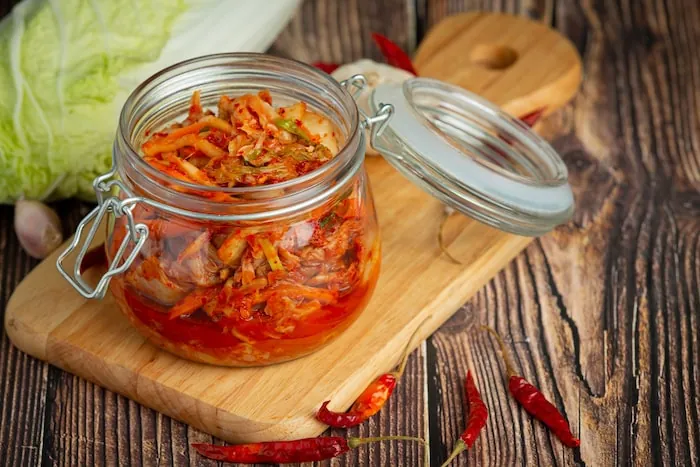
- Kimchi-making. The classic class; guests salt, season and pack their own kimchi.
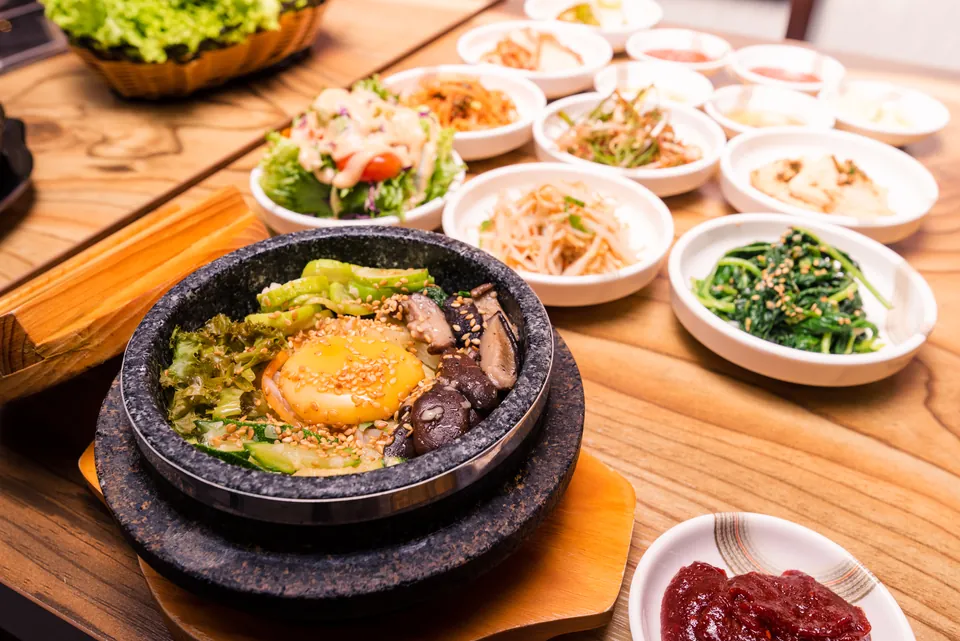
- Korean favourites. Bibimbap, bulgogi, japchae, tteokbokki and pancakes, usually two or three dishes per class.
- Market visit first. A guided walk through a traditional market to buy or see the ingredients.
- Temple food. Plant-based Buddhist cooking, a calm format for wellness and cultural groups.
Group logistics
- Studio size. Most studios seat a coach-sized group only in two rotations or two studios at once; we plan the split in advance.
- Timing. About two to three hours, ending with the meal guests have cooked, so it replaces lunch or dinner.
- Language. An English-speaking instructor or a guide interpreting at each table.
- Team building. A cooking competition between tables turns a class into a corporate activity.
Dietary needs
- Vegetarian and vegan. Kimchi is normally made with fish sauce or salted shrimp; a plant-based version is prepared on request.
- Halal. Meat dishes need halal-certified ingredients, arranged in advance with the studio.
- Allergies. Seafood, sesame, soy and wheat are common in Korean cooking; we collect allergies before booking.
Taking kimchi home
Guests often want to take their kimchi home. Studios pack it in sealed containers, but cabin liquid rules apply, so it should travel in checked luggage, double-bagged. Some countries restrict food imports, so we remind guests to check their own rules.
Kimjang season, in late autumn, is when Korean families make kimchi together, a good time to frame the class around the tradition.
Planned with the agent
Explera DMC Korea plans the studio, class format, group split, dietary versions and timing within the programme.
Send your dates, pax and group profile to b2b@explera.kr or WhatsApp +66 93 656 8090. Explera DMC Korea is IATA TIDS-registered (96215733) and an ASTA member (#900408341); our KTO and KATA registrations are in application.
Where this fits in our Korea programmes
The pages below carry the operational detail behind this briefing.
- Services: Tours & activities in Korea · Group travel & GIT in Korea · Guide services in Korea
- Destinations: Seoul · Busan · Jeju
Working with a South Korea DMC? Explera DMC Korea arranges ground services in Korea for the travel trade only. Start with our Korea DMC services for travel agents, then see Korean food tours in Korea and Seoul DMC.
Frequently asked questions
Is kimchi-making recognised as cultural heritage?
Yes. Kimjang, the making and sharing of kimchi before winter, was inscribed on UNESCO's Representative List of the Intangible Cultural Heritage of Humanity in 2013 (ich.unesco.org).
How long does a cooking class take?
About two to three hours, ending with the meal the guests have cooked, so it replaces a lunch or a dinner in the programme.
Can a coach-sized group cook together?
Usually not in one room. Most studios take a full coach only in two rotations or in two studios at once, which Explera DMC Korea plans in advance.
Can kimchi be made vegetarian or halal?
Yes, on request. Kimchi normally contains fish sauce or salted shrimp, so a plant-based version is prepared in advance, and meat dishes use halal-certified ingredients arranged with the studio.